Around 7.3 million Israelis are entitled to vote.
SETAEI · Numerologist · Israel's election, 27 October 2026
Netanyahu vs Eisenkot: Who do the numbers point to?
An election day in numbers: record turnout, 120 seats, two blocs without a majority – and two rivals aged 77 and 66. Scroll through the numbers, from the polling station to Hebrew letters.
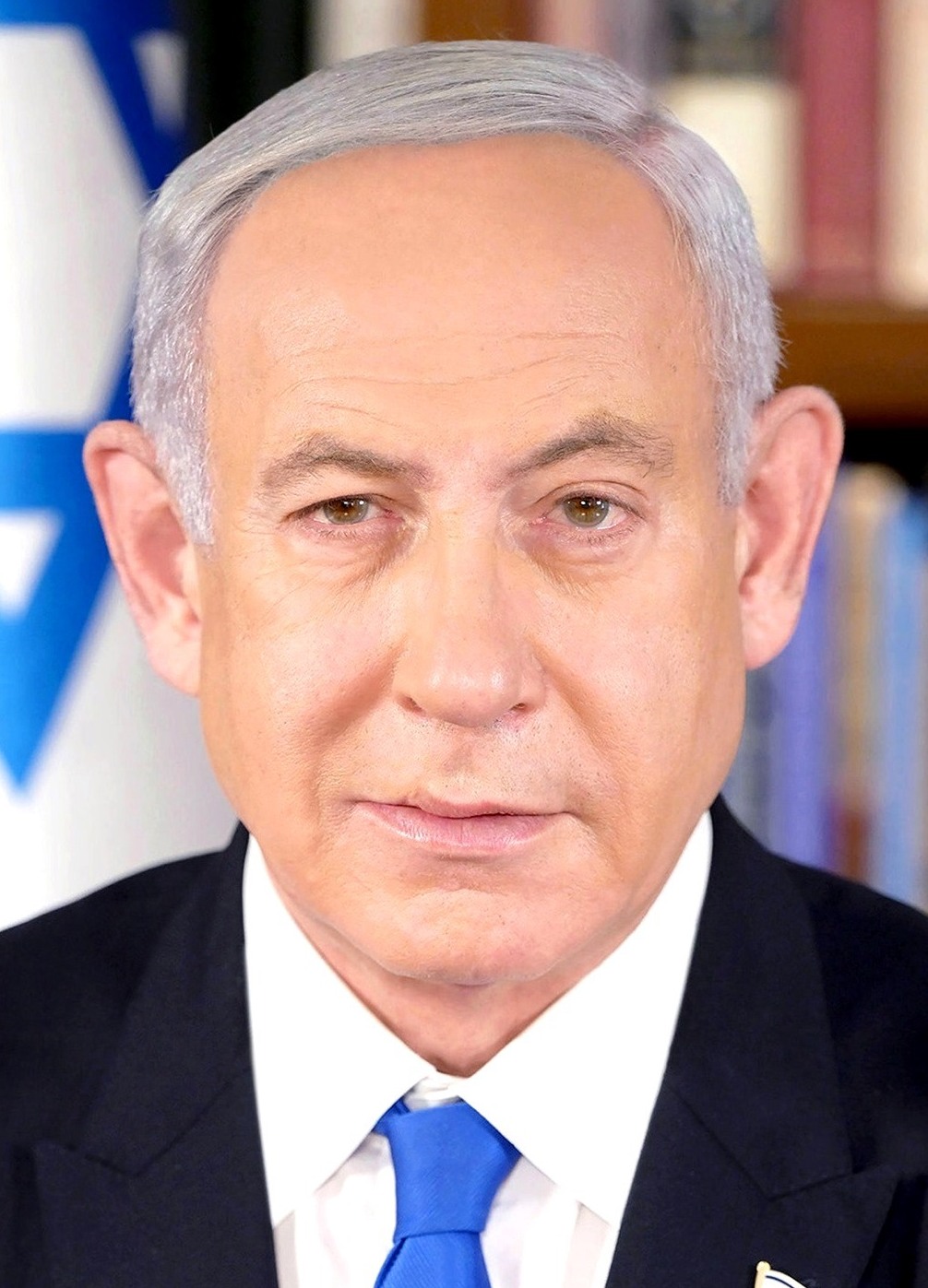 0Benjamin Netanyahuyears old on election dayBorn 21.10.1949 · Tel Aviv · Likud
vs
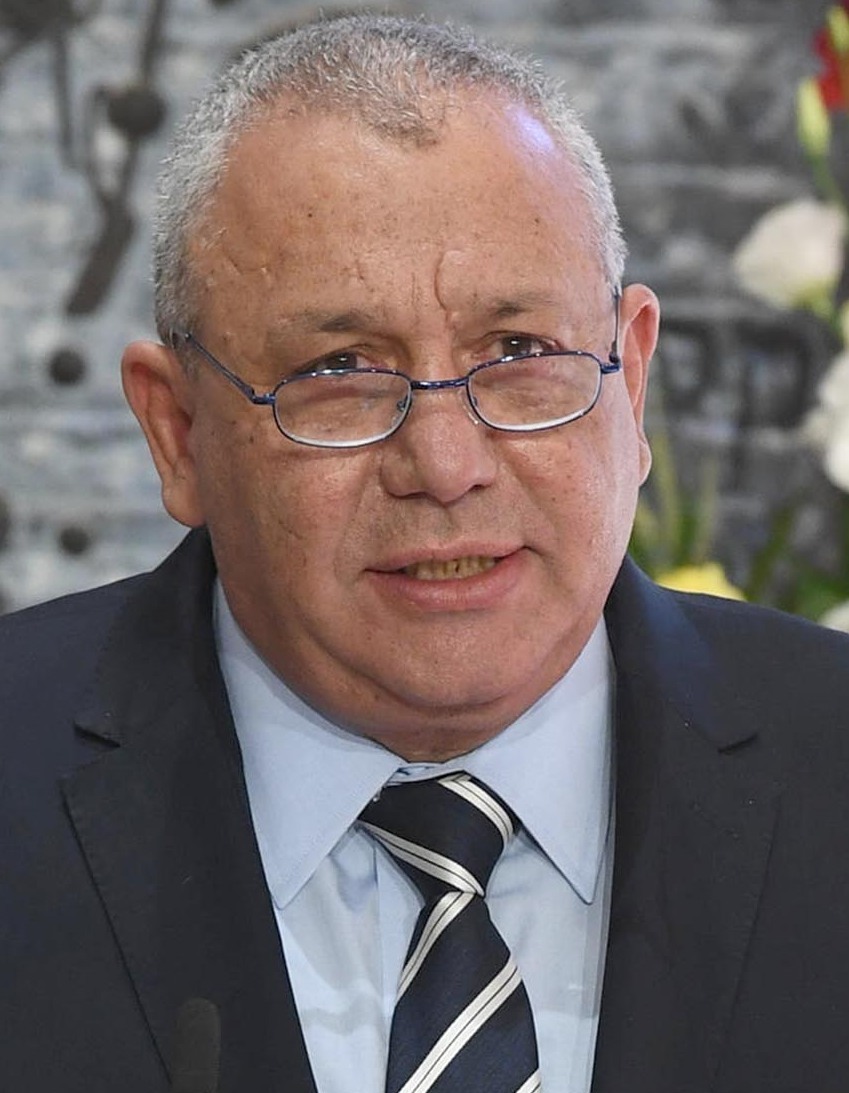 0Gadi Eisenkotyears old on election dayBorn 19.05.1960 · Tiberias · Yashar
11 years apart
A symbolic experiment with verifiable calculations. Numerology has no documented ability to predict elections.
Start the duel ↓
Measured
7.3 meligible voters 77.7 %turnout 120seats in the Knesset 61seats for a majority 53 · 50exit poll 17seats outside the blocs
01 · Election day in numbers
An election day measured in numbers.
The highest since 1999, according to the election committee. In some places people queued for more than four hours.
The parliament has 120 seats.
A bloc needs 61 seats to govern on its own.
The opposition is projected at 53 seats, Netanyahu with his allies at 50. Neither bloc reaches 61.
120 − 53 − 50 = 17. The Arab-Israeli parties are heading for a record number of seats.
Opposition (Eisenkot camp) · 53Netanyahu bloc · 50Others · 17
Figures from exit polls and the election committee as reported by NRK on 27.10. First results are expected around midnight Norwegian time; the final count may take until Friday because postal votes must be counted.
Reading
02 · Number rhymes
When the election's numbers rhyme with the candidates'.
This is not proof, but patterns we can actually calculate. Notice how often the same numbers return.
77 years↔77.7 %
Netanyahu is 77 – and 77.7 % of voters turned out. 7 + 7 + 7 = 21 → 3.
50 seats → 5↔77 → 14 → 5
The Netanyahu bloc's 50 seats reduce to 5 – the same as his age (77 → 5) and his personal year 2026 (5).
53 seats → 8↔683 → 17 → 8
The opposition's 53 seats give 8 – the same as Netanyahu's Hebrew name.
17 outside↔גדי = 17
The seats outside the blocs total 17. Eisenkot's first name גדי has gematria 17 – and Netanyahu's name passes 17 on its way to 8.
7.3 m → 1↔2026 → 1
73 → 10 → 1, the same as the election year 2026. A year of new beginnings in numerology.
61 → 7↔Eisenkot 2026 → 7
The majority threshold 61 reduces to 7 – Eisenkot's personal year in 2026.
Large data sets always produce some rhymes. That is why we show every calculation openly instead of picking only the ones that fit.
Calculated
03 · Hebrew, letter by letter
The letters count.
Standard Hebrew gematria: א = 1 … ת = 400. Final forms count as the base letter. Scroll and the letters are added one by one.
Netanyahu · בנימין נתניהו
0
The parties · Likud · הליכוד
0
Eisenkot · גדי איזנקוט
0
The parties · Yashar · ישר
0
683 and 200 are letter sums. The digit reduction (→ 8 and → 2) is our extra numerological layer. We read 8 as authority and 2 as cooperation. Likud is written הליכוד with the definite article ה (5), as the party itself does. Without ה: 70 → 7. Yashar: ישר! – the exclamation mark does not count.
Calculated
04 · Birth numbers and years
Two charts, one election year.
Åse's method: day, month and year are reduced separately. 2026 → 1. Personal year = birth day + birth month + 1.
Measured
05 · Two careers on one timeline
Same country. Very different paths.
NetanyahuEisenkot
Netanyahu has been prime minister for 19 years in total: 3 + 12 + 4. 19 → 10 → 1. This is the first election since 7 October 2023.
Reading
06 · The pick
We stand by the pick: Eisenkot.
Gadi Eisenkot · 4 · 1 · 8
The pick concerns who leads the first new government formed after this election – not who wins the most seats. Life path 4, birth day 1 and personal month 8 gave the story of building, initiative and responsibility. The 53–50 exit poll decides nothing: no bloc has 61.
If Netanyahu or a third person leads the first new government, the pick is wrong. If a new election is called before a government is formed, it does not count as a hit.
Result: first figures around midnight · final count by Friday 30 October.
Honesty note: the pick was published on 27.10.2026 at 21:21 (Oslo), after polls closed and exit polls were known. It is not a blind test.
Sources
NRK · Rekordoppslutning i israelsk skjebnevalg ↗
EPRS · Election overview ↗
AP · Government formation ↗
Knesset · Netanyahu ↗
IDF · Eisenkot ↗
Chabad · Gematria ↗
Likud · הליכוד ↗
Yashar · ישר! ↗
COS · Preregistration ↗
Åse Steinsland on Norway's 2025 election ↗
Portraits: Avi Ohayon and Mark Neyman / Government Press Office of Israel, via Wikimedia Commons, CC BY-SA 3.0.
Back to the top ↑